Conventional mortgages qualify borrowers based on personal income, tax returns, and debt-to-income ratios. That works well for salaried buyers, but it can be awkward for investors with multiple properties, substantial write-offs, or self-employment income. A category of investor-focused products approaches the problem differently: it underwrites the property.
What a DSCR Loan Is
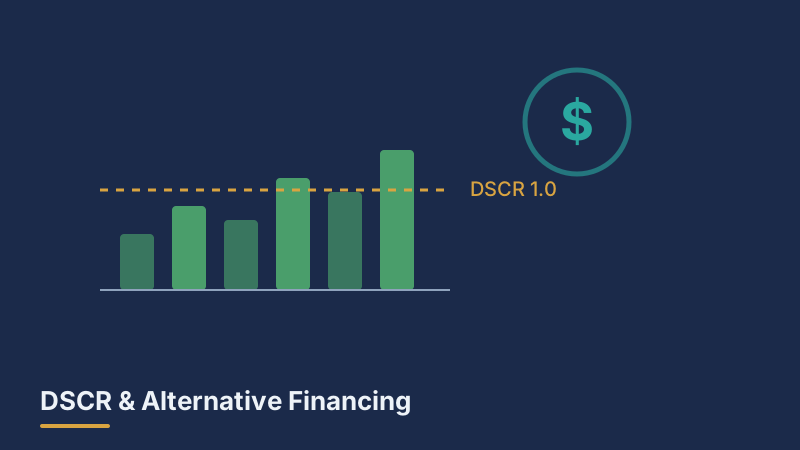
DSCR stands for debt service coverage ratio, the relationship between a property's rental income and its total loan payment, typically including taxes, insurance, and any association dues. A ratio of 1.0 means the expected rent covers the payment; higher ratios mean the property produces a cushion.
With a DSCR loan, the lender's central question is whether the property carries itself, rather than a deep analysis of your personal income. Documentation therefore focuses on the property: an appraisal with a market rent analysis, existing leases, insurance, and your credit history and reserves, rather than tax returns and employment verification.
The Trade-Offs
Flexibility has a price, and it is important to see it clearly:
- Higher pricing: DSCR and similar products generally carry higher rates and fees than conventional loans, reflecting the lender's risk.
- Larger down payments: Expect meaningful equity requirements; these loans are not low-down-payment products.
- Prepayment penalties: Many investor loans include prepayment penalty periods, which matters if you plan to sell or refinance soon.
- Less regulation: These are business-purpose loans, and some consumer protections that apply to owner-occupied mortgages do not apply. Read terms carefully.
Other Alternative Routes
- Bank statement loans: qualify self-employed borrowers using deposits shown in bank statements rather than tax returns.
- Portfolio loans: held by the lender rather than sold, sometimes allowing flexible terms or multiple properties under one facility.
- Short-term bridge or renovation loans: used to acquire and improve a property before refinancing into long-term financing, a pattern often called BRRR by investors.
Choosing Sensibly
Alternative financing is a tool, not a shortcut. Before committing, compare the total cost against a conventional option if you can qualify for one, and underwrite the property conservatively: realistic rent, realistic vacancy, realistic maintenance. A property that only works on paper with perfect assumptions does not work. Because terms vary widely between lenders in this space, gathering several quotes matters even more than it does with conventional loans.
Used carefully, property-based financing can unlock deals that conventional documentation rules would leave stranded, while keeping your growth grounded in properties that genuinely pay their own way.
Article Was Generated By AI.